How we look at it

The seam

The line between two domains of responsibility, and what has to cross it every day.

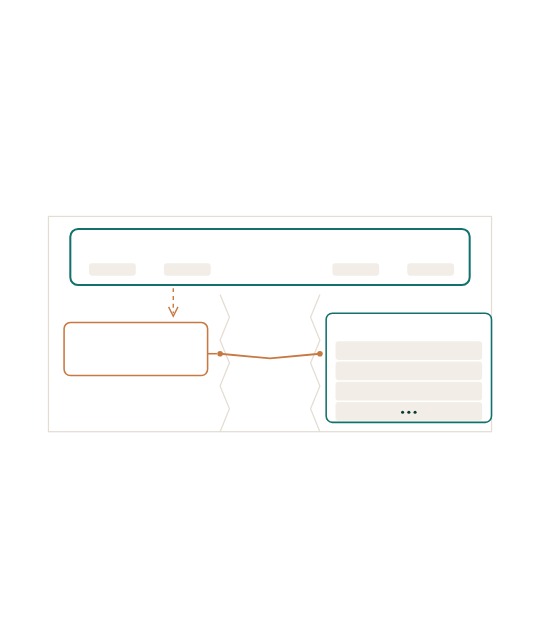
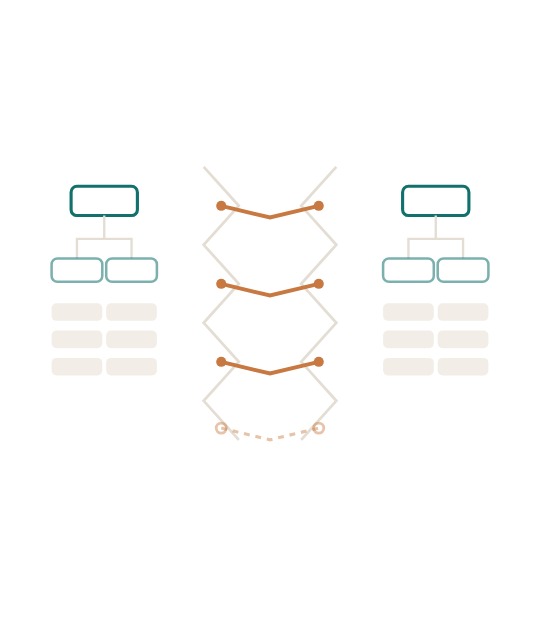
An intake form or one more meeting is rarely a procedure. It is a patch over a hole in the organisation design, and every patch leaves a seam behind.

A central department brings expertise, people and resources together. That gives you scale and depth of craft, and it creates handovers at the same time. Anything that is not standard ends up on that line and has to be lifted across by hand. When the business moves faster than the department, the seam is stretched, and another meeting is added.

When the work sits inside the business, there is usually no seam. It appears as soon as a team is taken out of it and starts serving the rest of the organisation.

what most organisations do Business Central service intake form demand board planning cycle review board SLA · · ·

Two seams, not one

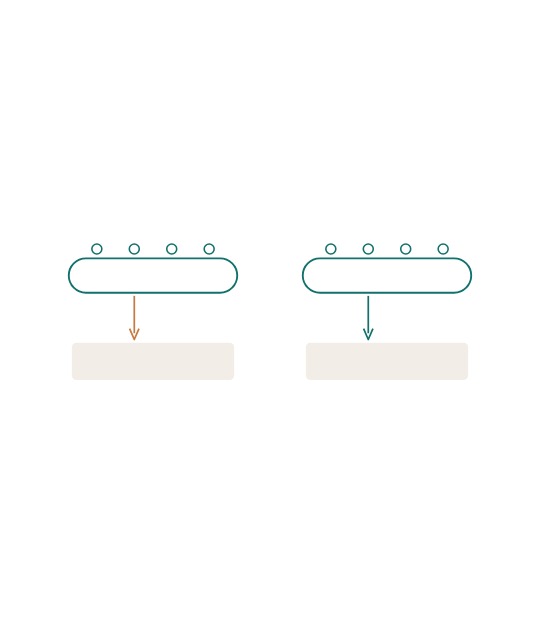
The better known one lies between your department and the business. The second lies inside your own department, between architecture, applications, and infrastructure and operations. Each of those units has a plan of its own, so delivering the plan of one depends on the willingness of the others, while nothing obliges them to put it before their own. That second seam is entirely yours to draw, and the first one more than you might think, because the intake form, the demand board and the SLA were usually devised by the department rather than imposed by the business. They made its own work manageable, and at the time that was a defensible choice. Whoever drew them can redraw them.

Three questions for a seam you come across

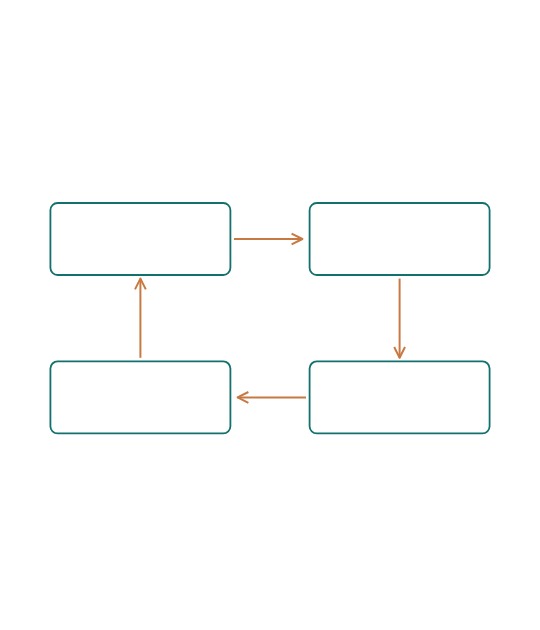
Together they say whether a better arrangement will do, or whether the design itself is up next.

What does this handover protect?

A seam can have a reason worth guarding, such as segregation of duties, four eyes, or data ownership. A reason can also move house. Fifteen years ago the weight sat with the technology choice, today it sits more with privacy and security.

What falls through it?

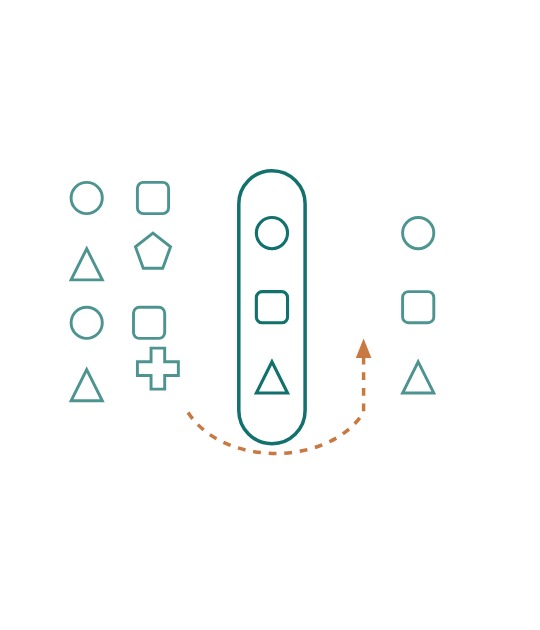
Whatever neither side sees as part of its own responsibility stays lying between them. Usually that is the work that is not standard, and that is rarely the least important work.

Who would have to give something up?

If nobody has to give anything up, a better arrangement will do. If someone has to give up authority, budget, people or control, the change touches the design itself, and then no committee will resolve it.

The series

Five pieces about the same line, each from a different angle.
Does that line lie somewhere in your organisation too?

In a 30 minute conversation we look at where the handovers in your organisation sit and which of them still serve a purpose. After that we choose the first step together.

Book a conversation