Core thinking
These insights are not tied to a phase. They are the lenses through which we look at every change, wherever you stand in it.
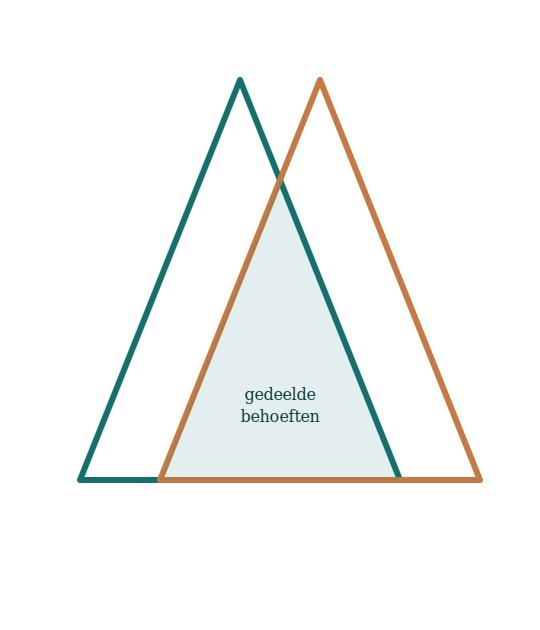
Positions, interests and needs
Under every position sits an interest, and under that a need that is shared more often than people think. Once both sides hear those from each other, they see the common ground.
Read more →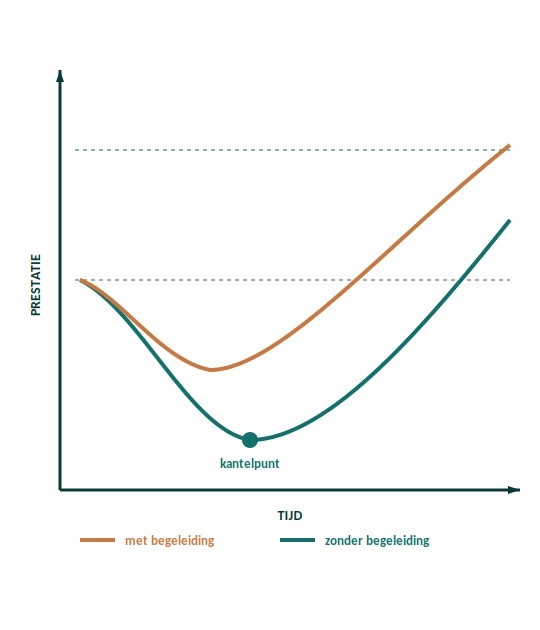
The change dip (J-curve)
Performance falls first. That is learning time, not a sign that things are going wrong. Prepare for it and you come out faster and higher.
Read more →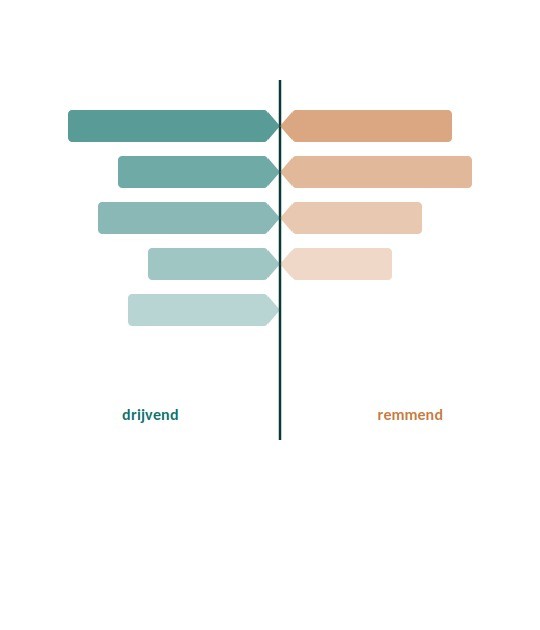
Force field analysis
Every change calls up forces for and against. Balance is the most dangerous point.
Read more →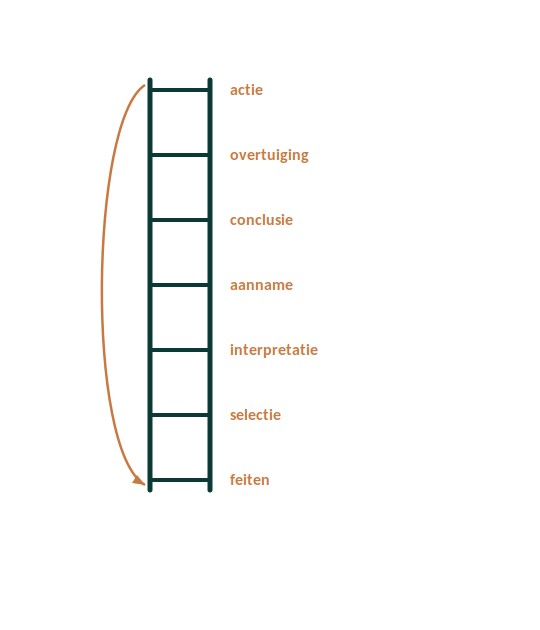
The ladder of inference
From fact to judgement in a few seconds. The loop that keeps it going, and how you break it.
Read more →From surveying the ground to anchoring
Know what you touch
Before you start, you survey the ground. Not everything at once, but in a logical order. You start by getting the change itself clear, then you point the lenses at the organisation, and at the end you bring it all together.
Start with the change itself
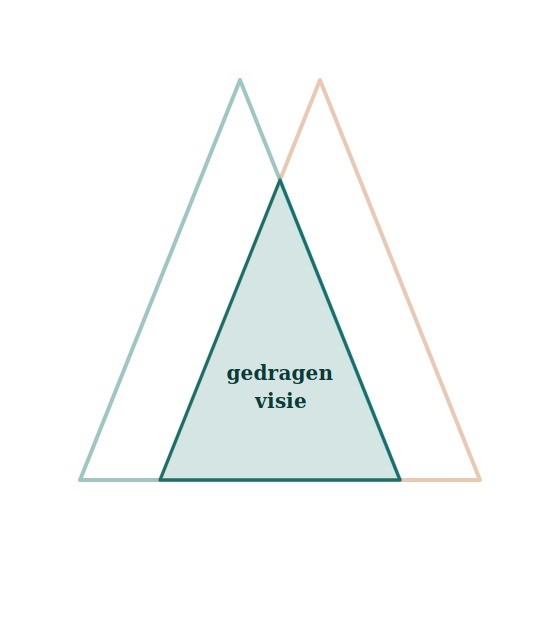
From positions to a shared vision
A vision is not a slogan. It is a compass that comes about where needs overlap.
Read more →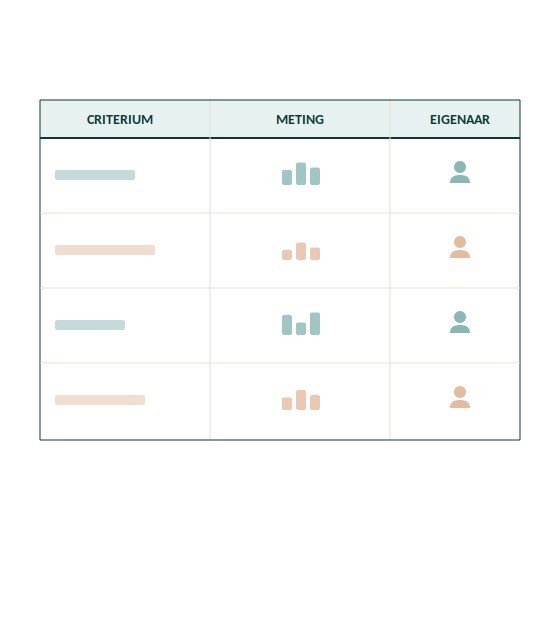
From vision to measurable success criteria
A vision is a compass, but you cannot steer by it. Success criteria make it measurable.
Read more →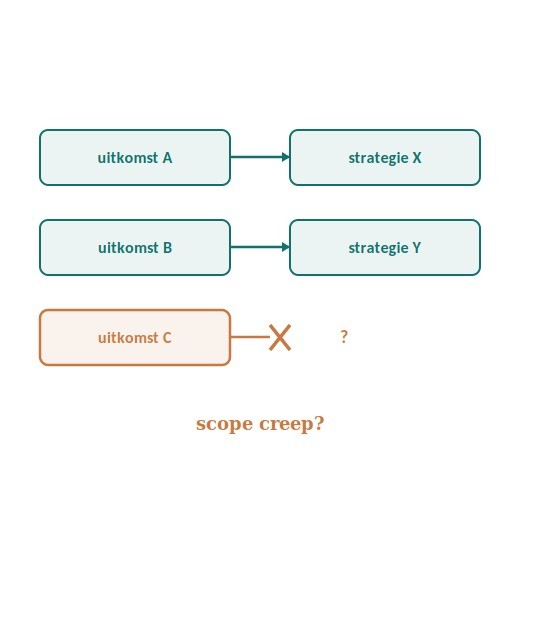
The strategic alignment map
Does every outcome contribute to the ambitions of the organisation? And where is that link missing?
Read more →Point your lenses at the organisation
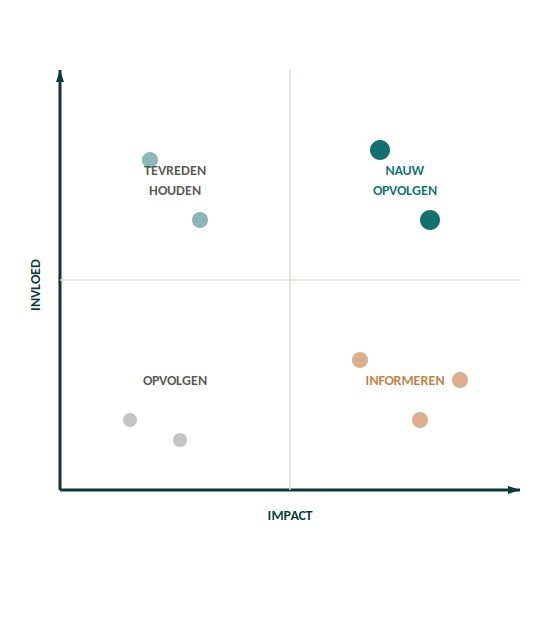
The stakeholder map
Who has influence, and who is affected? Influence is not always on the org chart.
Read more →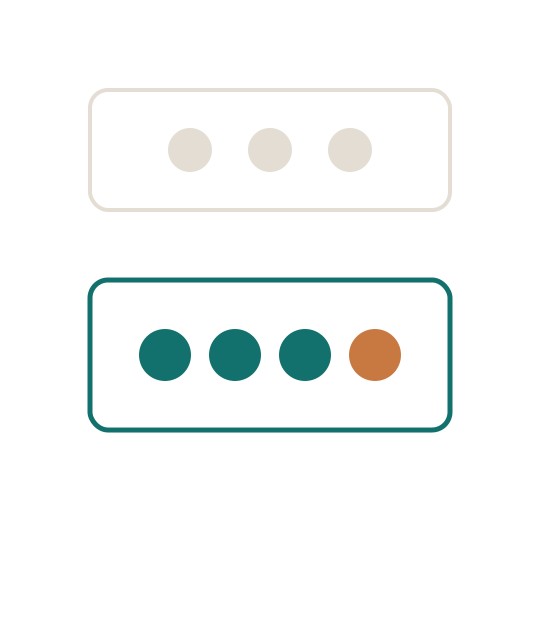
The design group
Who carries the change once the project is over? People from the work itself, who were there from the first day.
Read more →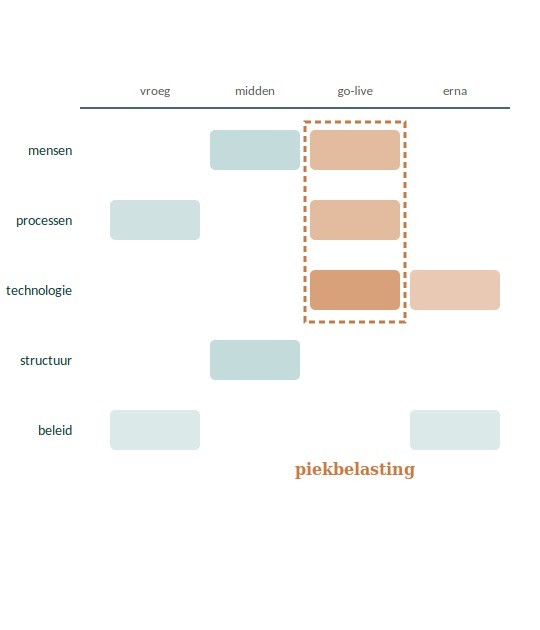
The change impact matrix
Where does the change land hardest? Per domain, per phase. So that you act before the peak.
Read more →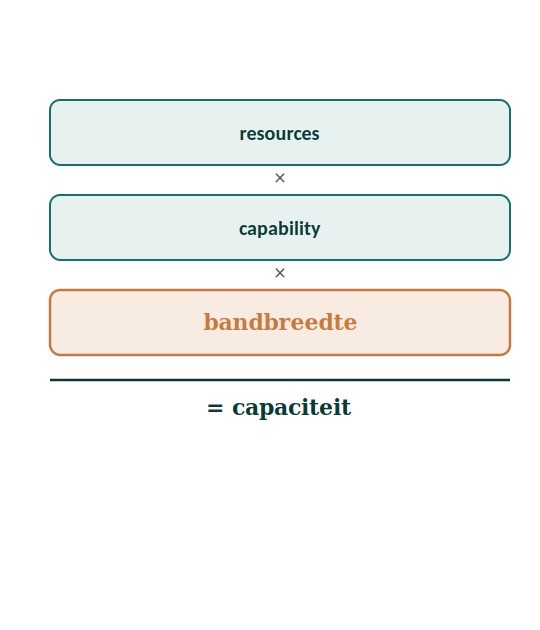
The capacity ceiling
Enough people and the right skills, but no free attention? Then the capacity is zero.
Read more →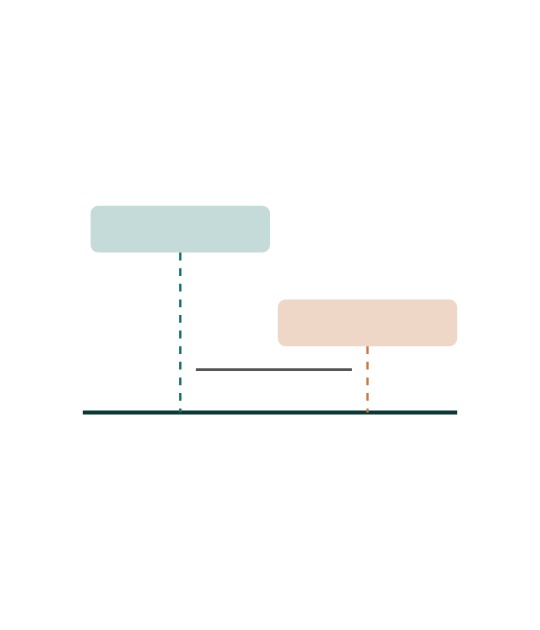
Delivered on time, used too late
Delivered on budget and three months later still unused. What that waiting costs, worked out.
Read more →
Low on the list, first in line
A change that contributes almost nothing and that three heavy ones are waiting on. Raising the score does not solve it.
Read more →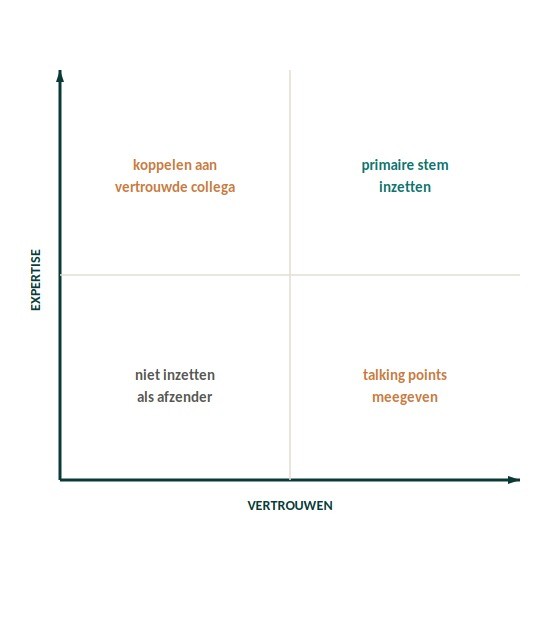
The right messenger
A message lands not on the words, but on who says them.
Read more →
Social dialogue in change
Works council, committee and union delegation: not an obstacle but a source of information. The order decides everything.
Read more →
Change fatigue
Not resistance but spent resilience. How you recognise the silence after the objections, and what gives resilience back.
Read more →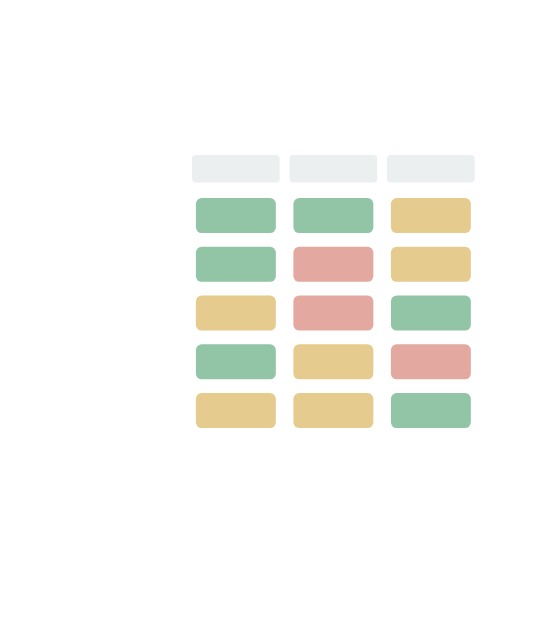
The readiness heatmap
Not what changes, but whether this group is ready for it. A colour per group, because an average hides the group that is hit hardest.
Read more →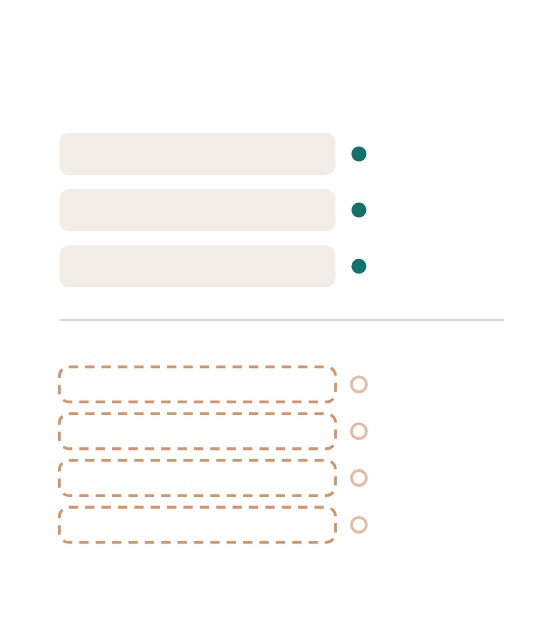
The risk register
The tool, the budget and the planning are always on it. The silence and the sponsor who drops away rarely are, and those are the risks that derail a change.
Read more →Bring it all together
Choose your approach
You know what the change touches. Now you translate those insights into a strategy: how do you communicate, how do you activate sponsors, how do you measure whether it works, and how do you make sure it holds? You do this at the start. You test the strategy with the steering group and the stakeholders. It records why choices were made, so that during delivery you know what to adjust.
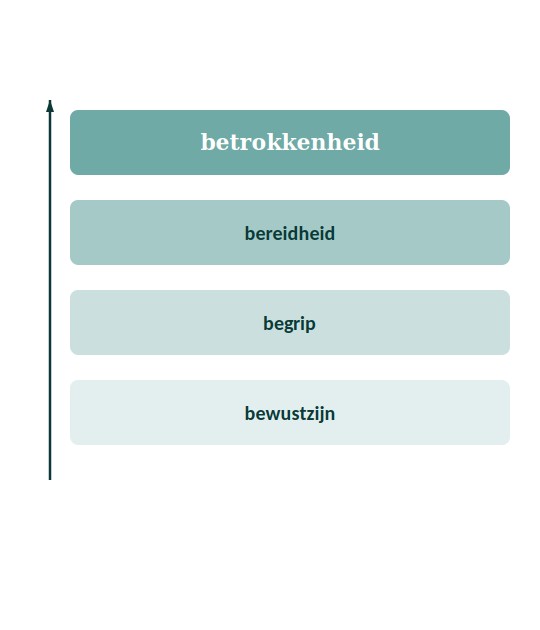
The awareness ladder
Knowing is not understanding, and understanding is not joining in. You cannot skip a rung.
Read more →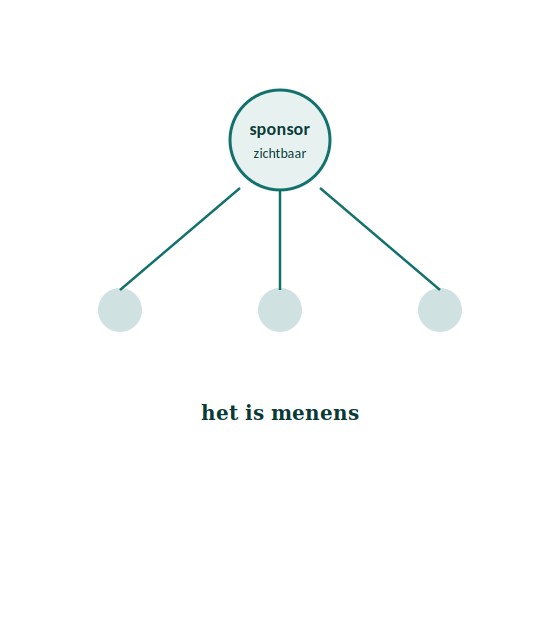
Activating sponsors
A name on a steering group list is not an active sponsor. Visible, equipped, and knowing what is expected.
Read more →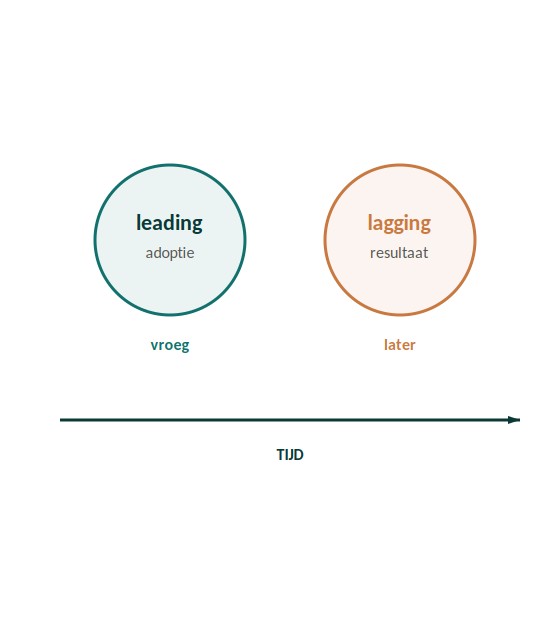
Leading and lagging indicators
Not waiting until the end. Making the steps along the way measurable and adjusting on evidence.
Read more →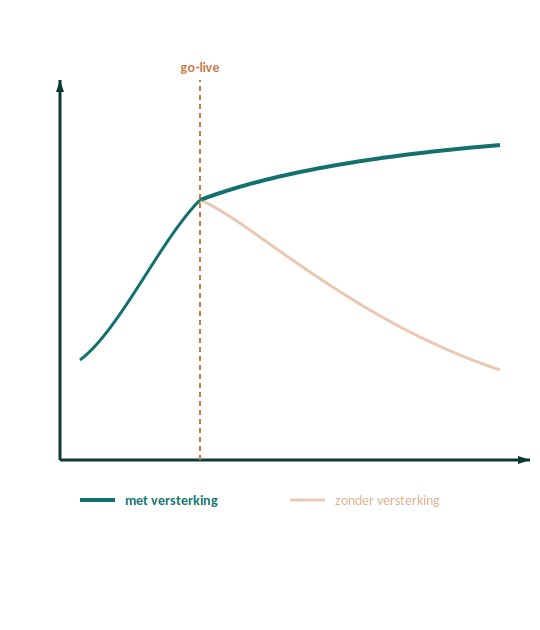
Embedding change
Go-live is a milestone, not an end point. Without reinforcement adoption slides back.
Read more →
When not to start
Four signals to wait, and why pushing through costs more. Whoever dares to say no as well is believed at yes.
Read more →Make it concrete
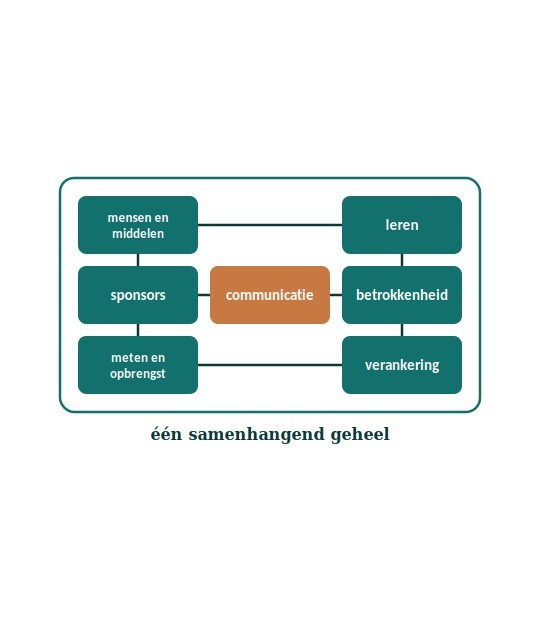
The direction is settled. Now everything becomes concrete: one coherent change plan with seven sub-plans, from people and resources to anchoring. Everything you mapped in phase 1 and chose as an approach in phase 2 comes together here. With names, dates and dependencies, lined up with the project planning.
More than communication
A good change plan counts seven sub-plans. Communication is one of them. Together they form one whole that gives your change structure and visibility.
Read more →
Deliver and adjust
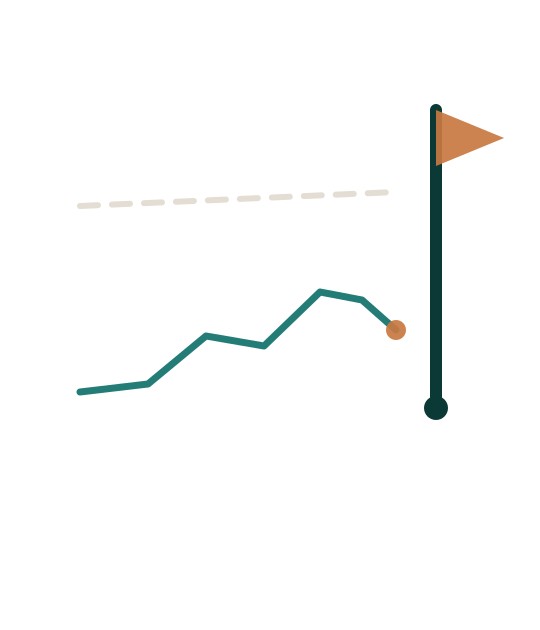
Supporting it on the floor. Coaching sponsors, equipping managers, supporting teams. Adjusting where it pulls.
Embed what works
The rollout succeeded, and right then the quietest risk begins: the return to the old. In this phase the steering shifts to the organisation itself, carried by the people who were there from the start. Ownership takes a fixed form, the attention stays until the new is habit, and the change gets a visible end.
Why relapse follows success
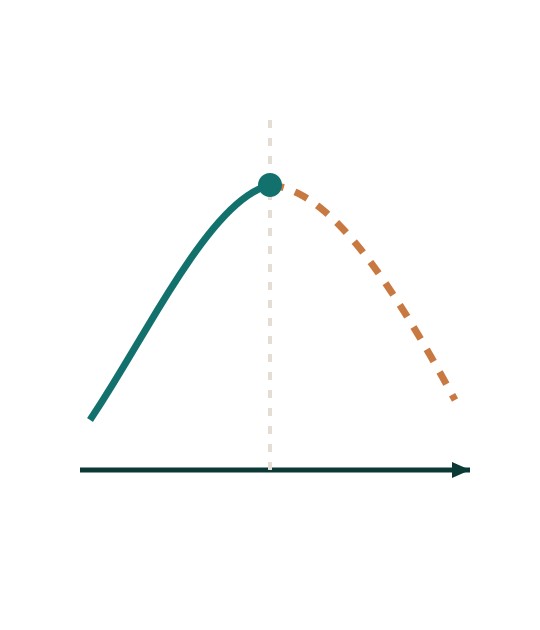
Success switches off its own engine. A relapse needs no decision, and you see it weeks before the figures do.
Read more →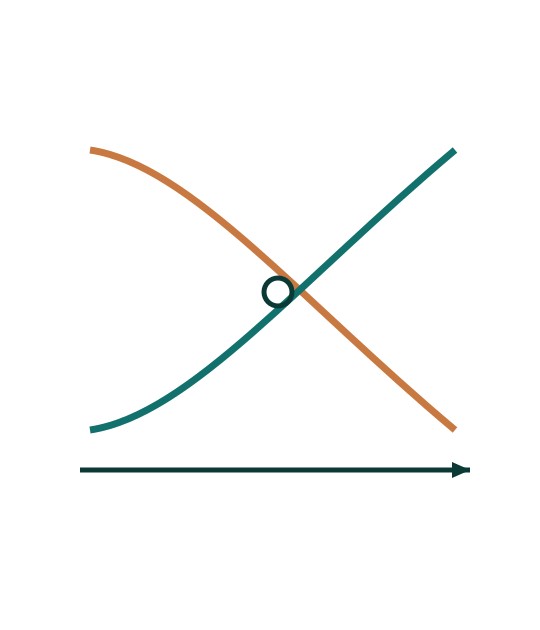
Letting go is a curve, not a moment
The change belongs to the organisation. The steering shifts step by step to the people themselves, without a break.
Read more →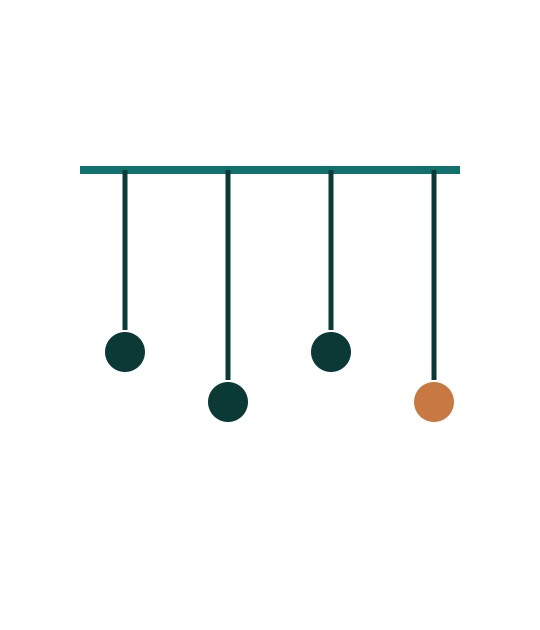
Ownership with mandate
Keep an eye on it does not work. Instead: a named role, time, authority, and agreements with an expiry date.
Read more →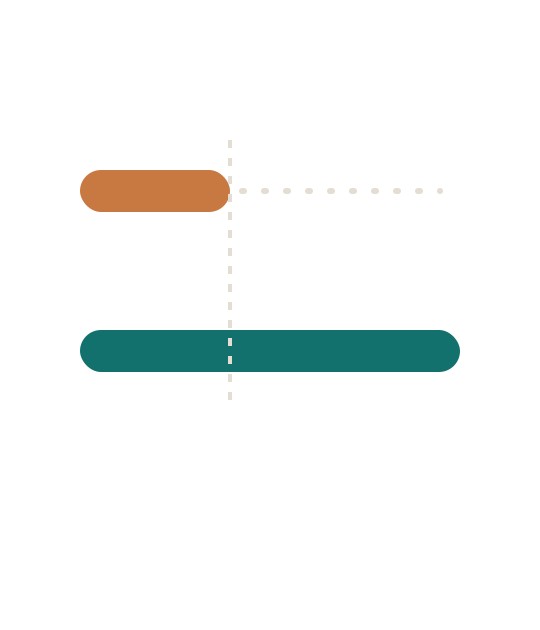
Habits need time
New behaviour asks for months of repetition, the support stops sooner. The calendar follows the behaviour, not the other way round.
Read more →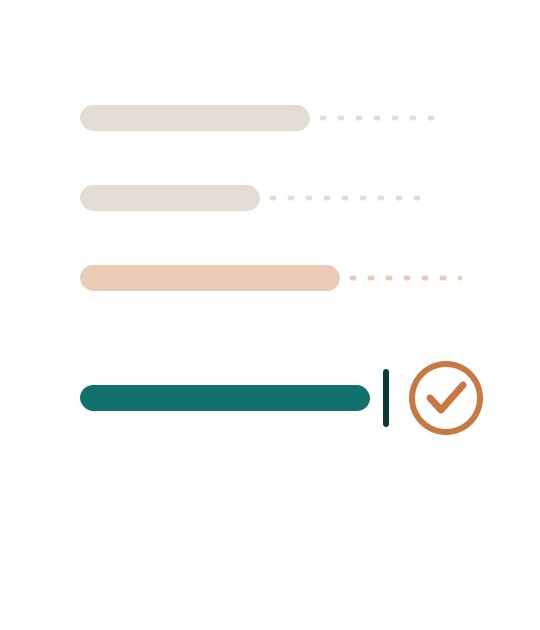
Closing formally
A change that never ends keeps weighing. The final balance, the farewell to the old and the recognition for what stands give air, and give the next change a chance.
Read more →Organisation design
Sometimes a change stands still not through resistance or communication, but through how the organisation is drawn. These insights look at the structure under the behaviour.
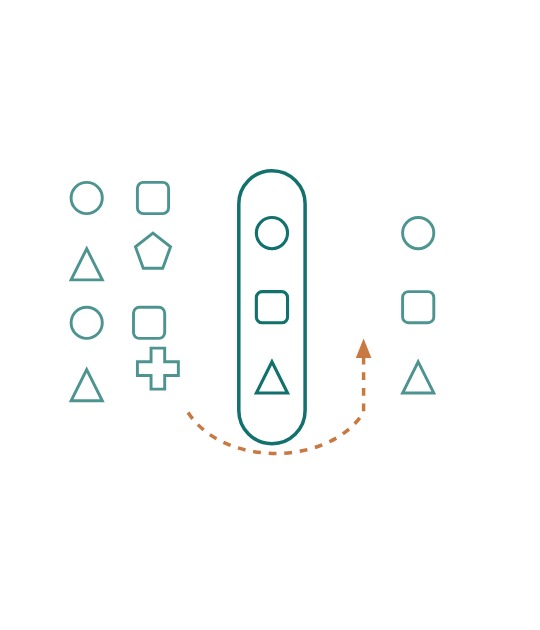
Organising the service desk centrally or locally?
A service team that is full is rarely a staffing problem. What that first line may decide itself shapes the whole design.
Read more →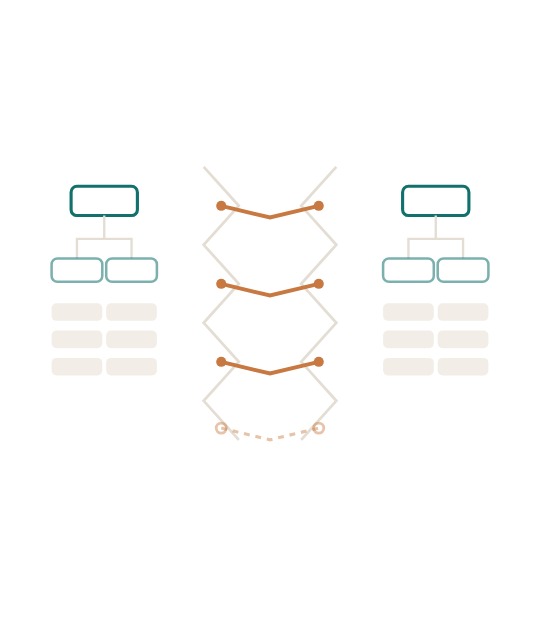
The seam in the org chart
Not only IT. HR, procurement and finance know the same break with the business. Where that seam comes from, and which handover should stay.
Read more →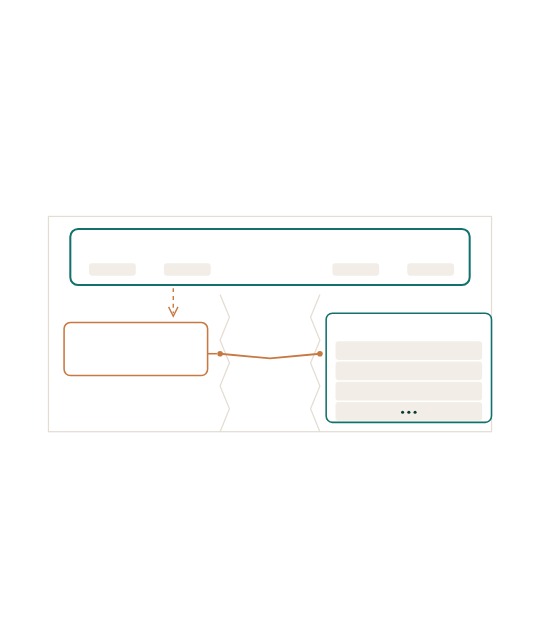
Standard work and bespoke work
Moving a seam is expensive, and often it is not needed. First fewer cases that have to cross, and only then the form.
Read more →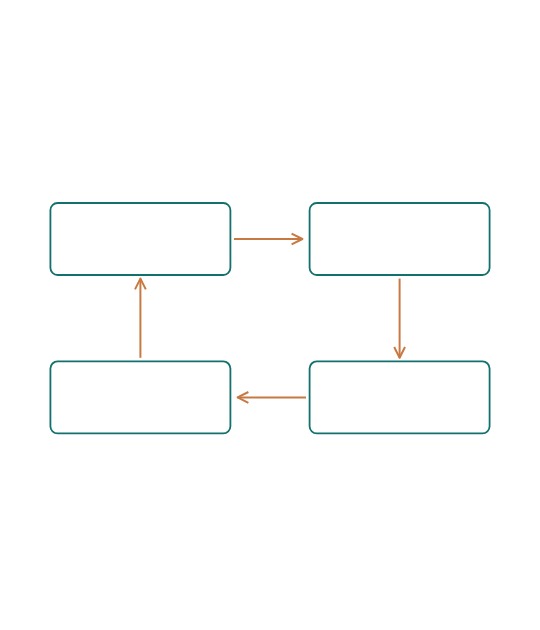
Why the HR business partner never gets to the real work
The role was devised to make the line more capable, and it is swallowed by work the line does too rarely to build any routine in.
Read more →
The steering group attendance list
Whoever sits at the same table every month is the map of a team your org chart does not have.
Read more →